The Scholarship Student Who Became a Mentor | Seoul Future Foundation's Volun-Career
At university I received a scholarship from the Seoul Scholarship Foundation, now the Seoul Future Foundation. This September I went back as a mentor in its alumni programme, Volun-Career: a wooden birdhouse with younger students, then an aspiring IT engineer's résumé.
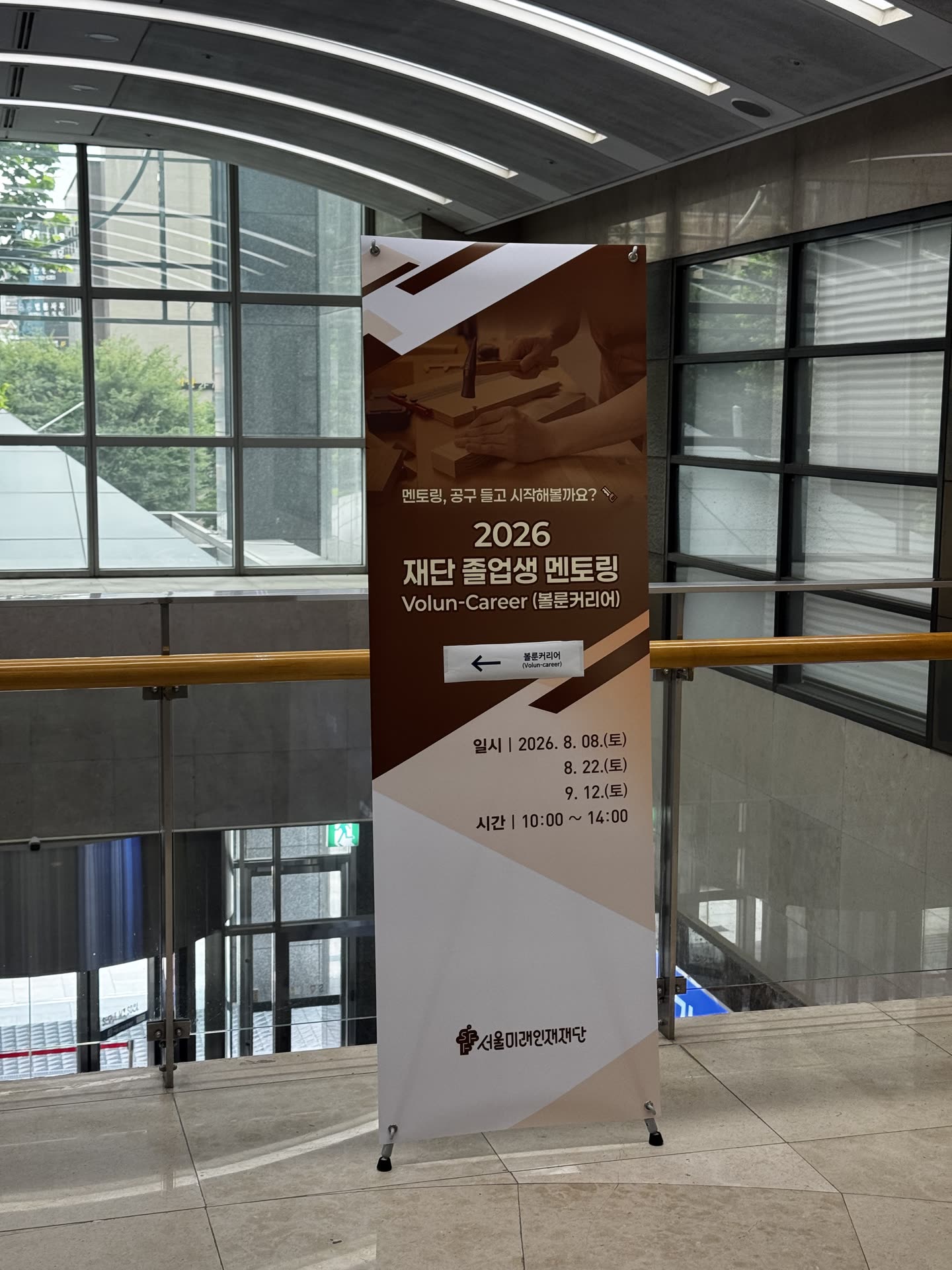
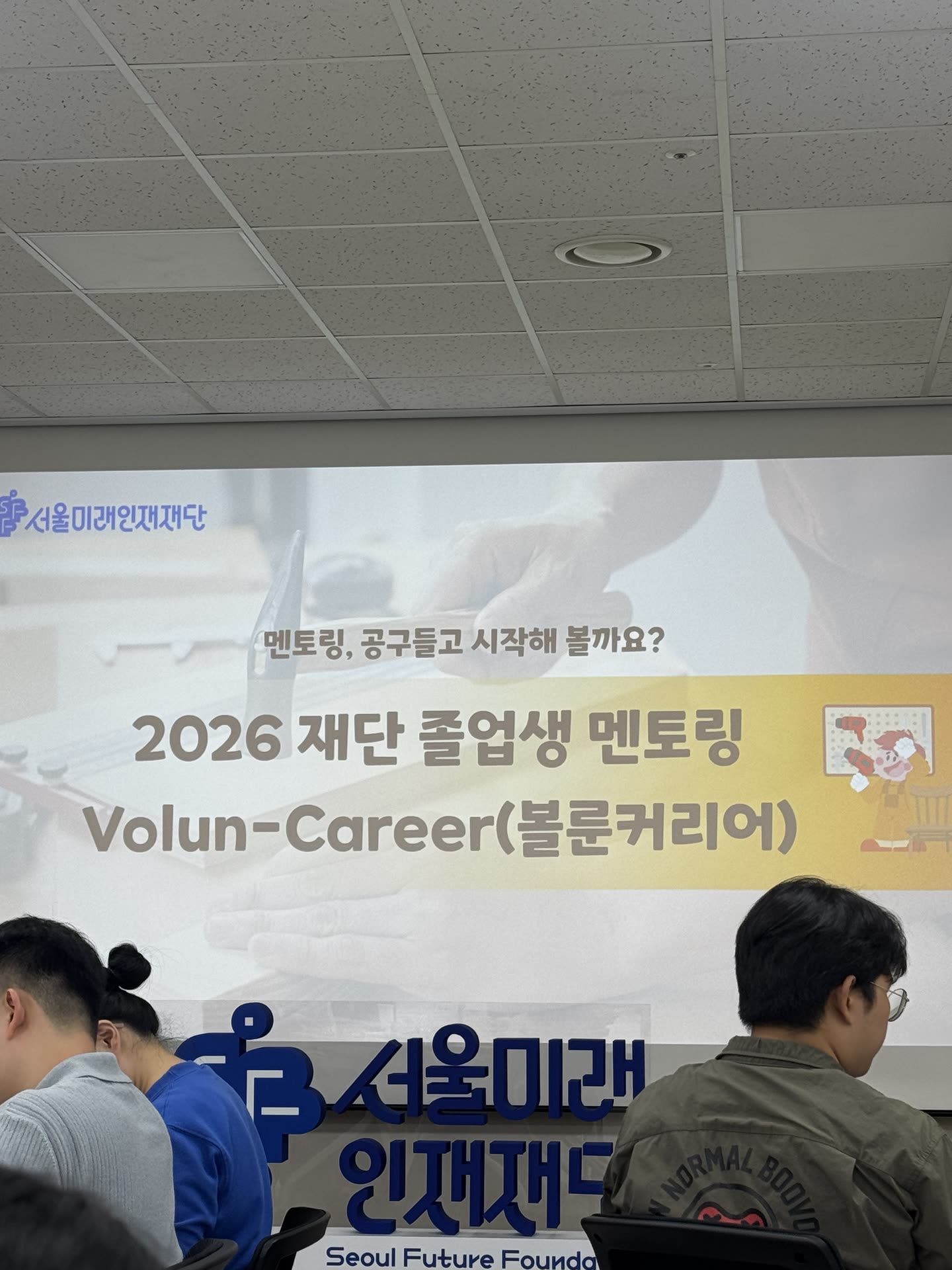
Saturday morning, 12 September. A banner stood on the way into the venue.
Mentoring: shall we start with tools in hand?
Tools, at a mentoring event. Years ago I was a student on this foundation's scholarship; that day I came to pick up a mentor name card. The day I moved from the receiving side of the table to the giving side. And the first item on the programme wasn't advice. It was a cup of screws.
From scholarship student to mentor
At university I received a scholarship from the Seoul Scholarship Foundation. It has since been renamed the Seoul Future Foundation.
Volun-Career is its mentoring programme, pairing graduated scholarship students with current ones. According to an interview the foundation published, the name joins "volun", from volunteering and social contribution, with "career". The idea is that a scholarship doesn't end with the payment: those who received it pass something on to the next students.
It started as a pilot last year. That first round focused on job hunting, and the foundation says the mentors felt a lot of pressure to prepare and the mood was a little stiff. So this year they changed the order: woodworking first, sweating and getting to know each other, and the talking afterwards. Each session built something different.
- Session 1, 8 August: a stool
- Session 2, 22 August: a storage box
- Session 3, 12 September: a birdhouse
The foundation says it chose mentors mainly from those about three years out of university, mixing people in jobs and in graduate school, from startups to licensed professions. I became a session 3 mentor. My group was meant to have three younger students, but one was ill and couldn't come. So that day there were three of us, me included.
Why I signed up: a test with just one wrong answer
It wasn't my first time as a mentor.
Years ago, through the student knowledge-mentoring programme of the Korea Student Aid Foundation, I went to the Haeseong Community Children's Center. There I tutored a middle-school student who had no interest in English, and whose grades showed it.
So instead of drilling exercises, I tried to teach English itself, through my own experience of going to the UK. Not English as a school subject, but as a language people actually use across the sea.
Some time later the student came back with a test result.
Just one wrong answer.
The student was genuinely happy about the better score, and said something along these lines: English at school was boring and hard to follow, but English with me was fun and felt new.
That stayed with me longer than the score. A student who'd had no interest in English was starting to find it enjoyable, and that was what made me proud. I felt then that passing on knowledge doesn't end with teaching; it can help someone discover a possibility they hadn't seen. My interest in sharing and in education goes back to that day.
But in 2020 COVID-19 surged again, and that mentoring couldn't continue for long. A few years went by.
Then a text message about Volun-Career arrived from the foundation. I applied straight away.
From a bundle of boards to a birdhouse
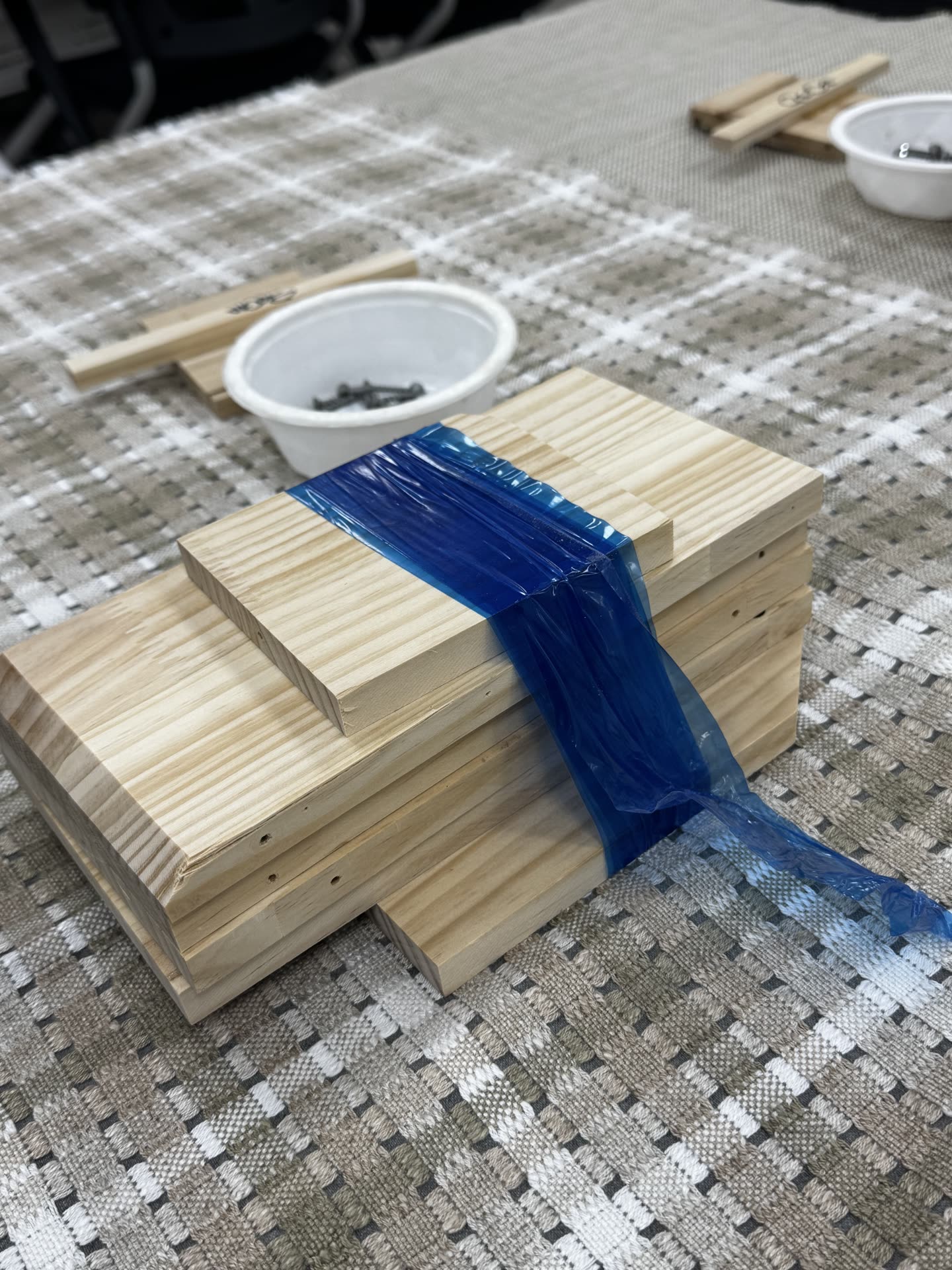
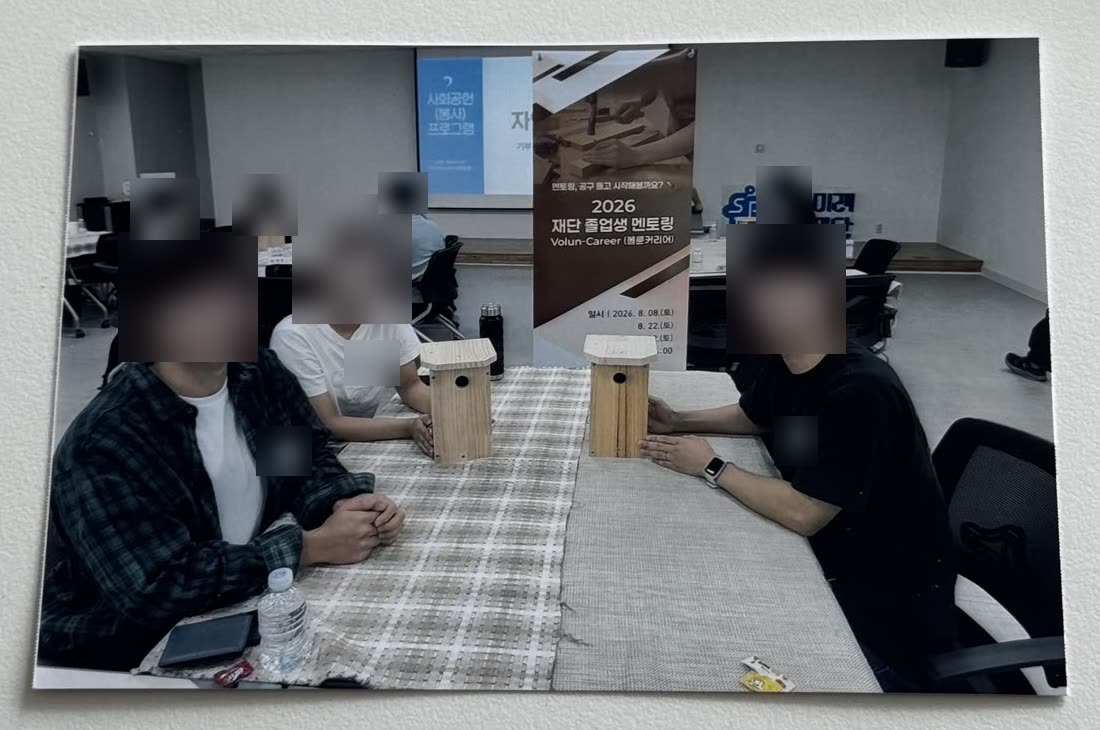
Every table had a bundle of boards wrapped in blue plastic and a cup of screws. The woodworking was led by a woodworking social cooperative, 우드어스 (Woodeoseu). By its record, 24 young people took part that day.
We didn't start with screws. The co-op first talked about how wood is used in nature and daily life, and what building a birdhouse means for the environment. Then it laid a finished birdhouse next to the loose parts and showed us the order: front, sides, roof.
After that, hands were busy. We lined up the direction and position of each board; one person held the parts while another drove the screws, and we checked together wherever something was slightly off. In its interview, the foundation's organiser said they put woodworking first so people would get to know each other naturally by making something together, instead of starting with awkward self-introductions.
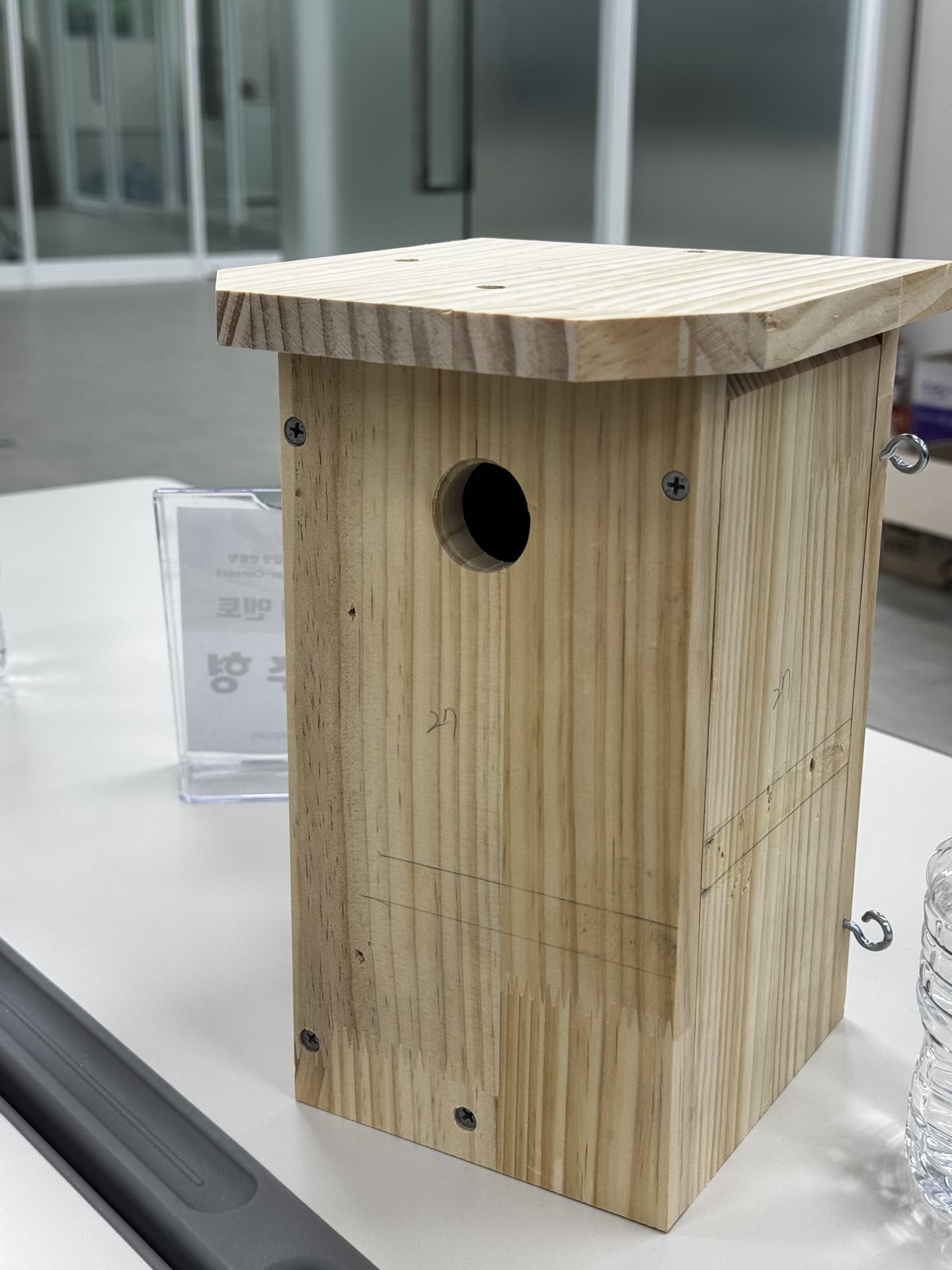
Before lunch, the birdhouse stood up. A round entrance hole in the front, two hooks on the side for hanging it on a tree, and the pencil lines still on the boards. A few flat boards had become a house with a door in a little over an hour. Our table made two.
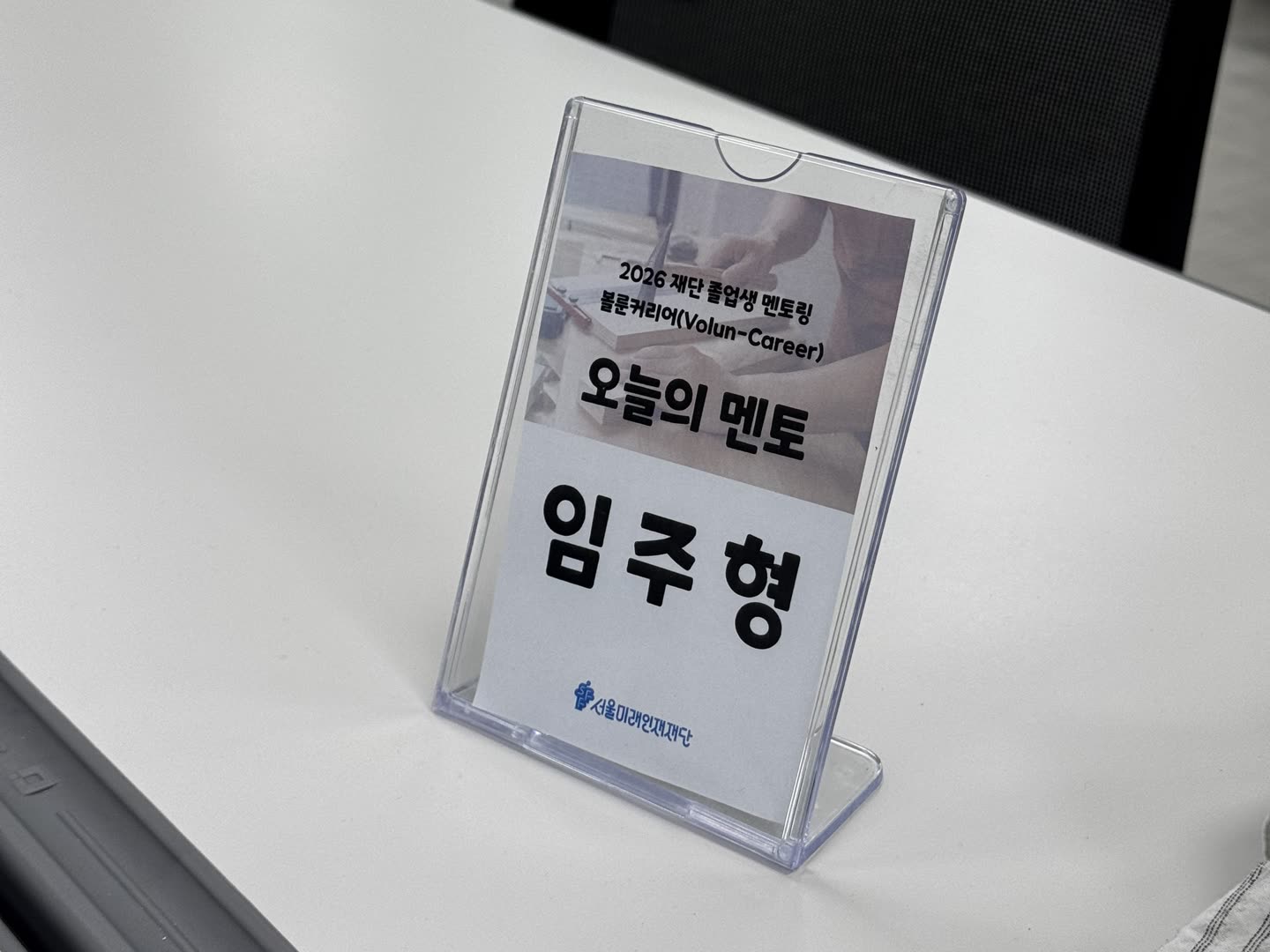
A name card was waiting at my seat. It's the photo at the top of this post: under the foundation's name, Today's Mentor, and below that, my name. A name that used to be on a scholarship list was now in the mentor's seat.
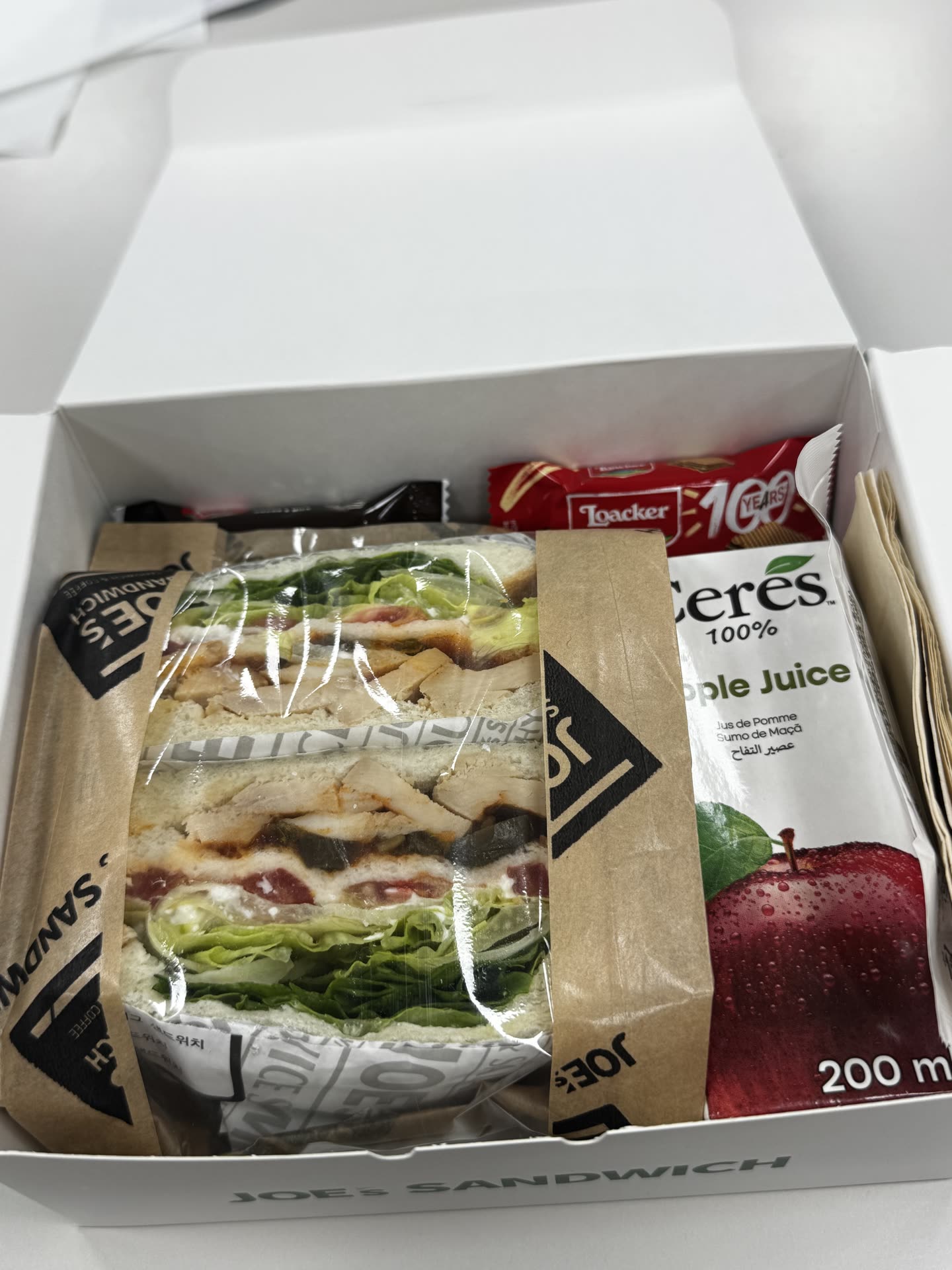
Lunch was a boxed meal: a JOE'S SANDWICH sandwich, Ceres apple juice and a Loacker wafer.
The line missing from a résumé
The afternoon was the mentoring itself. My group were students hoping for IT jobs.
One of them wanted to become an infrastructure engineer. They had done a lot, and the more they talked, the clearer it was that they were genuinely capable. I could see they'd do well.
But the résumé wasn't showing all of that.
What they had done was everywhere. What they did best was nowhere to be seen.
That isn't a problem of too little experience. If anything, it's more likely the more you've done. Everything looks important, so everything goes in, and the line that shines brightest gets buried in the list. Recruiters don't spend long on one page. In that short time, "this person is great at this" has to stick.
So we talked about how to present that strength effectively, so it would be the first thing a reader notices. The advice wasn't "go get more experience". It was about how to bring out what they already had. Not so different from the boards that morning: the materials were all there. What remained was choosing which side to stand up as the front.
Teaching is learning
The Chinese classic Book of Rites has a chapter on education, the Xue Ji. It says that only after learning do you know what you lack, and only after teaching do you know where you get stuck. So teaching and learning make each other grow. In Korean the four-character phrase is gyohaksangjang (敎學相長).
In 2020 I went to teach English and came back having learned the value of sharing. This time I went to look at a younger student's résumé and came back having relearned why education matters. Both times, the one teaching took home more.
You build a birdhouse for a bird that hasn't arrived yet. You drill the entrance and fix the roof without knowing when, or which bird, will move in. The first line of the foundation's mentor announcement read "Pass on the love you received."
The scholarship I received long ago was probably a house someone had built in advance, too. This time it was my turn to hold the boards.
Jayden's verdict
A birdhouse in the morning, a résumé in the afternoon. I went to teach and came back having learned.
- Programme: Seoul Future Foundation 2026 alumni mentoring, Volun-Career, session 3 (Saturday 12 September, 10:00–14:00)
- What we built: a birdhouse (woodworking led by the social cooperative 우드어스)
- Mentoring: students aiming for IT jobs. On a résumé, let what you're best at show before the list of what you've done.
- What stayed with me: why education matters, and why sharing does. Once again.
Connected reading
Posts tied to this one by series, direct links, topic hub or tags.
Topic hub · Career & Onboarding
All 10 posts →

Same tags

Nodeul Island, Round Two: Takeout Burgers, Then a Coworker's Tea Ceremony by the Han
#Seoul Diary7 min

A Packed Lunch on Nodeul Island: A Cool Breeze, the 63 Building and a Cup of Black Tea
#Seoul Diary6 min

Lunch Break by Seoul Bike: A Jamba Juice Açaí Bowl on a Riverside Deck by the Han
#Seoul Diary5 min
Ask DailySay
Continue Reading

Nodeul Island, Round Two: Takeout Burgers, Then a Coworker's Tea Ceremony by the Han
The last of my lunch breaks by the Han. Back on Nodeul Island: takeout lunch, then a coworker brought out a tea set. A little chilly, and all the better.
Notes worth keeping.
Occasional updates about project management, AI, products, travel, and the things I’m building.
No spam — occasional notes only. See our Privacy.