Work (Tech)
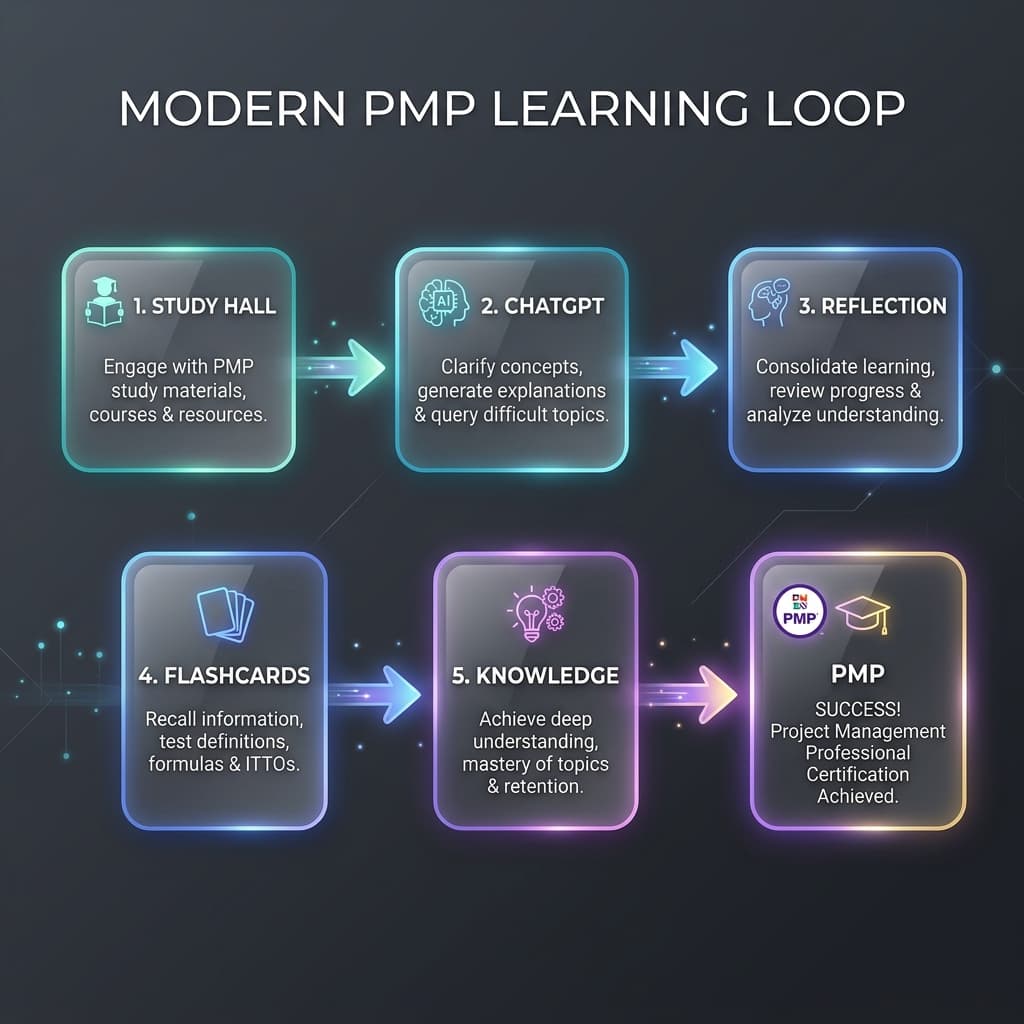
AI Didn't Help Me Pass PMP. It Changed How I Learn
How I shifted from using AI as an answer machine to a cognitive partner, building a robust learning feedback loop for the PMP exam and future knowledge systems.
Systems, shipping, and small upgrades—made with calm focus. Less hype, more craft. Built to be used.
How I shifted from using AI as an answer machine to a cognitive partner, building a robust learning feedback loop for the PMP exam and future knowledge systems.

A practical process for using AI across research, planning, development, testing, and launch while keeping product judgment and responsibility human.
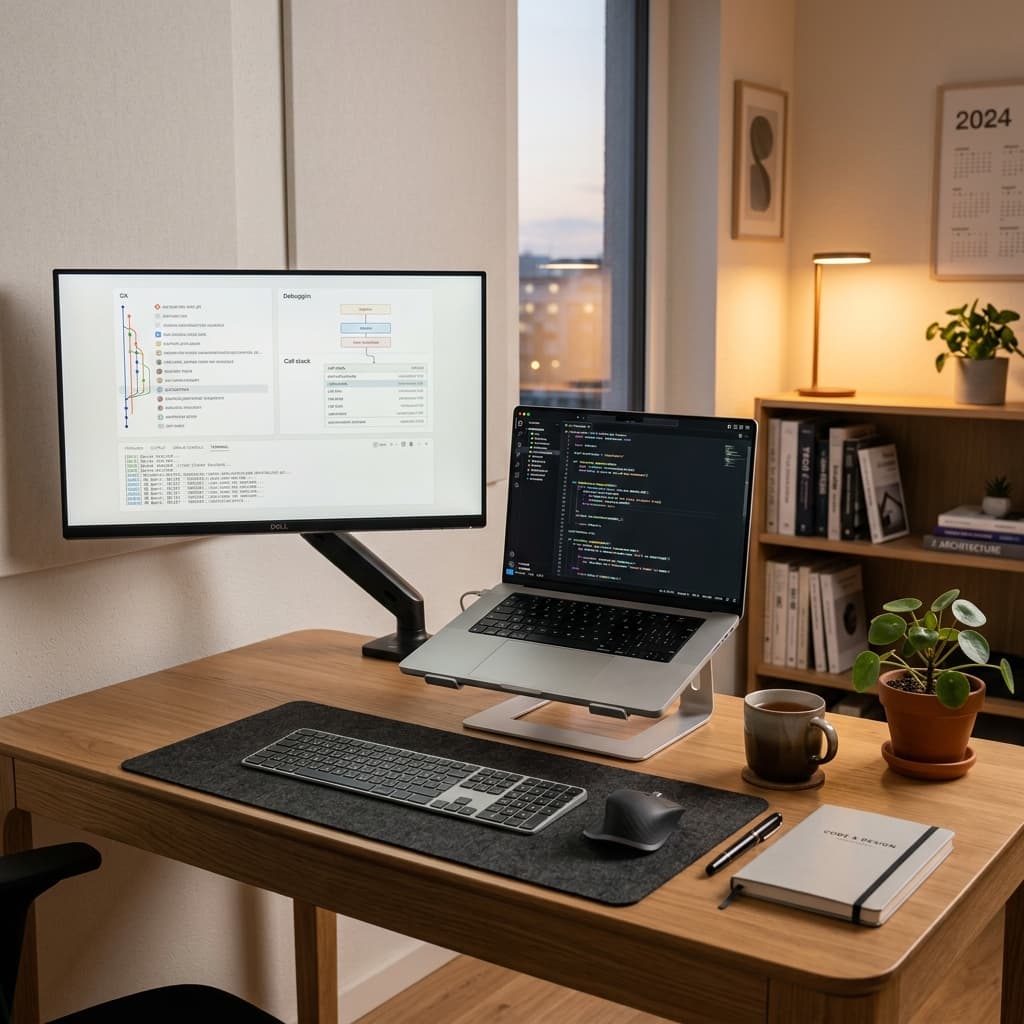
Facing hidden mocks, duplicate components, and silent database drops while building AttractiveWebAI and Shopify apps. Here are 8 hands-on verification principles for AI coding.
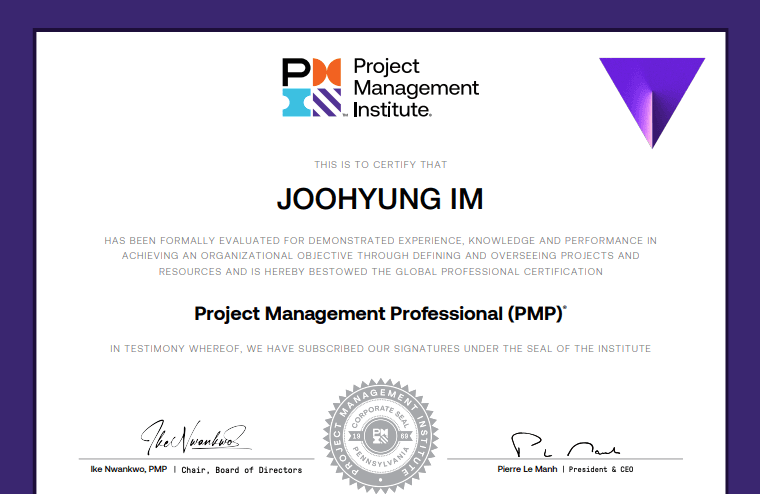
Sharing the actual experience of taking the PMP exam at the Pearson VUE center, managing the first 60 questions, taking 10-minute breaks, reviewing error logs right before the exam, and what to prepare.
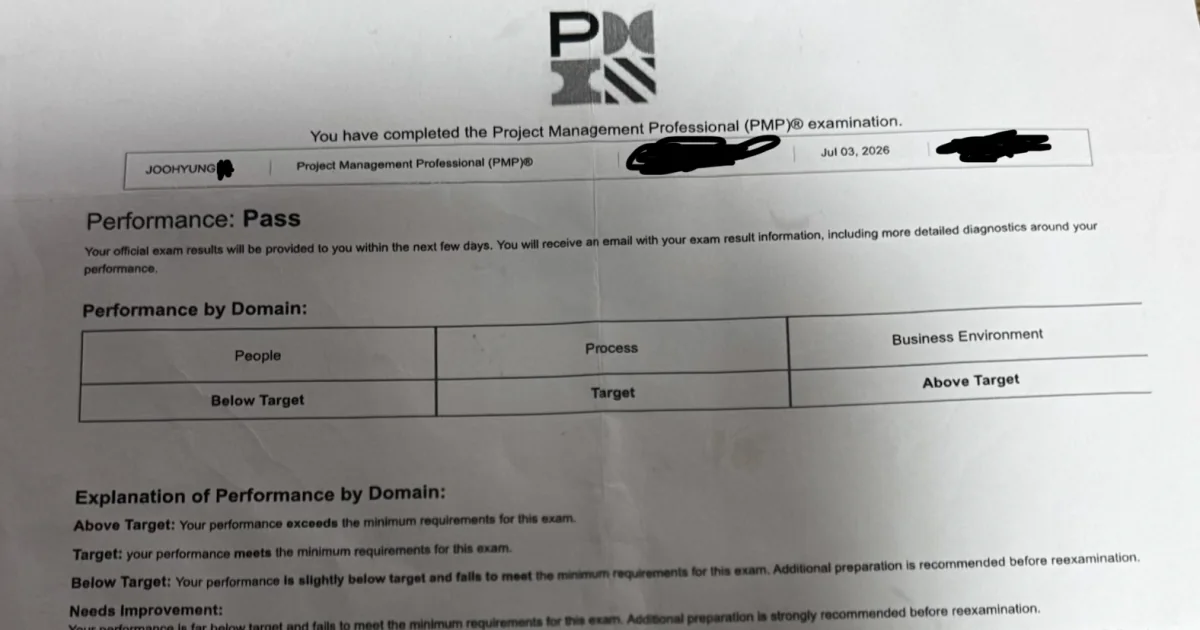
A summary of the 7-week study process for passing the PMP exam on July 3, 2026, using online lectures, PMI Study Hall, error logs, GPT, and NotebookLM.

Smarter autocomplete was only the beginning. The shift to autonomous terminal-based AI agents has changed how I build, debug, and ship software.

In the past, launching a software product took months of engineering. Here is how I designed, built, and shipped three digital products in weeks using AI.

Having spent months building real software with both, here is a detailed breakdown of terminal-native Claude Code versus IDE-native Cursor.

Product management is notorious for coordination overhead. By building lightweight AI automation pipelines, PMs can reclaim focus and build better products.

As models become more robust and developers transition to agentic workflows, the era of prompt hacking is ending. The future belongs to systems engineering.

In the fragmented landscape of LLM integrations, the Model Context Protocol (MCP) is emerging as the unifying open standard that links models to data sources and tools.