Trabajo y tecnología
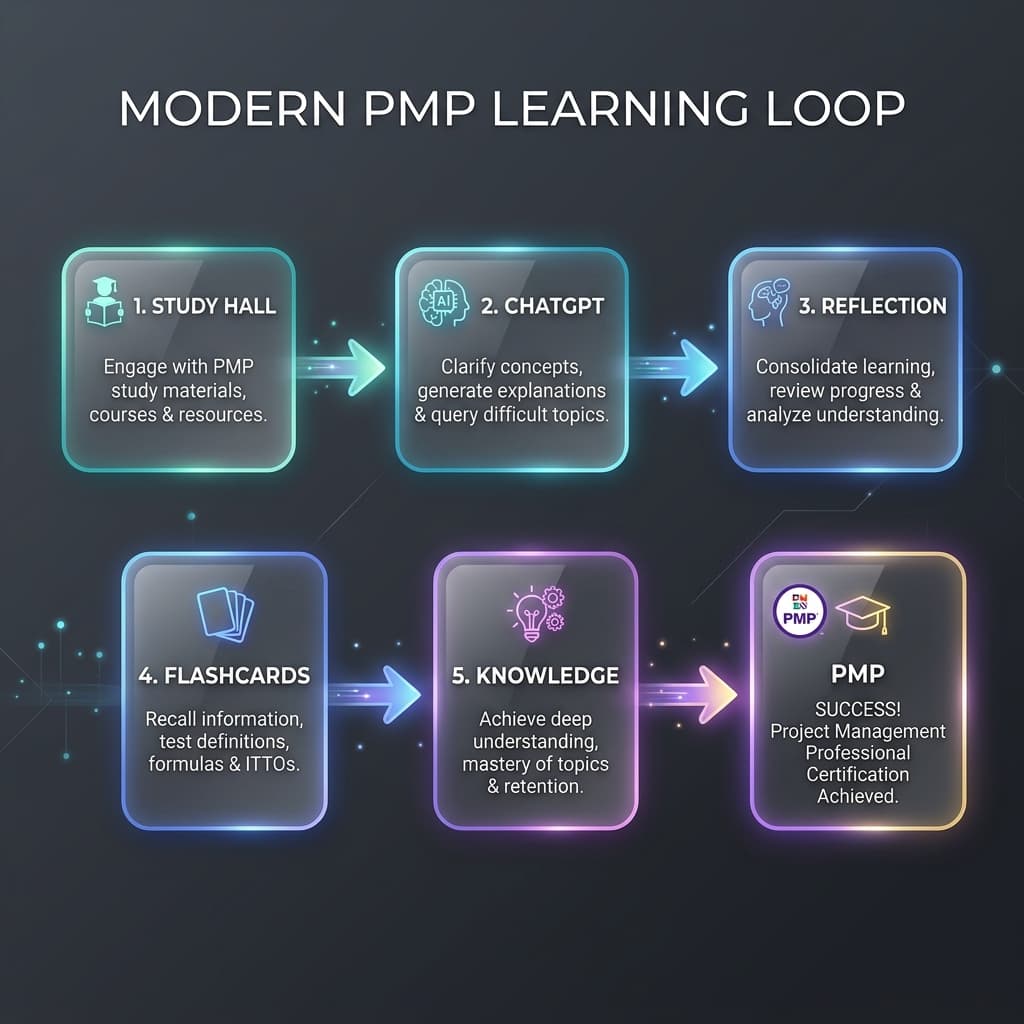
La IA no me ayudó a aprobar el PMP. Cambió mi forma de aprender
Cómo pasé de utilizar la IA como una máquina de respuestas a un socio cognitivo, construyendo un sistema de retroalimentación para el PMP y futuros aprendizajes.
Sistemas, entregas y pequeñas mejoras—con enfoque tranquilo. Menos hype, más oficio. Hecho para usarse.
Cómo pasé de utilizar la IA como una máquina de respuestas a un socio cognitivo, construyendo un sistema de retroalimentación para el PMP y futuros aprendizajes.
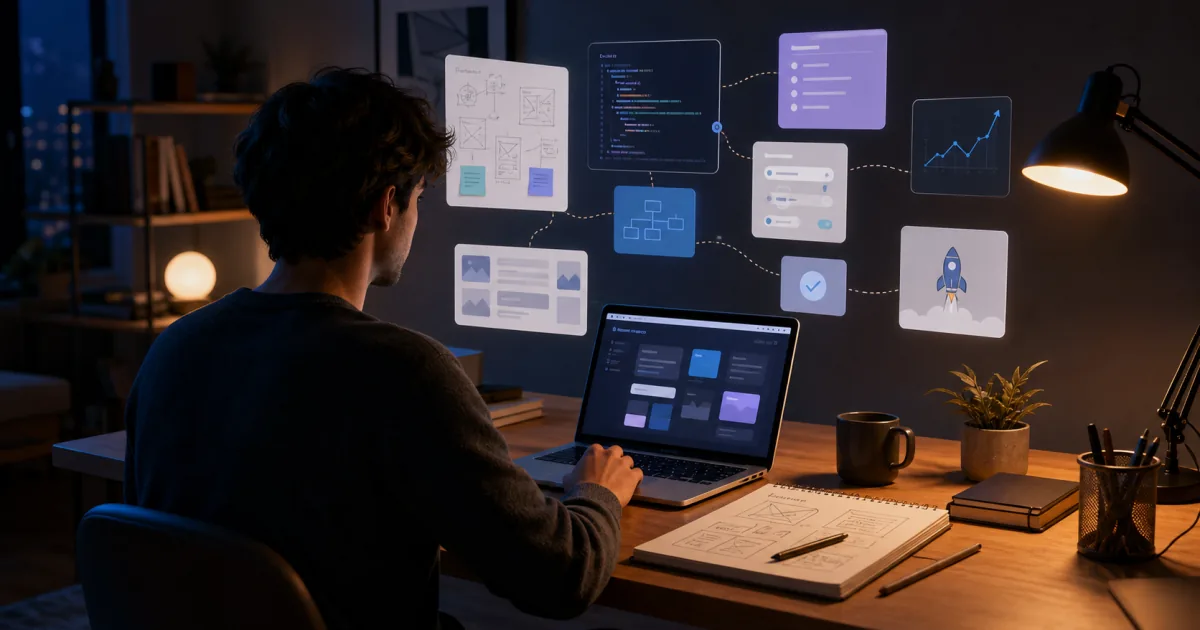
Un proceso práctico para usar IA en investigación, planificación, desarrollo, pruebas y lanzamiento sin delegar el criterio ni la responsabilidad del producto.
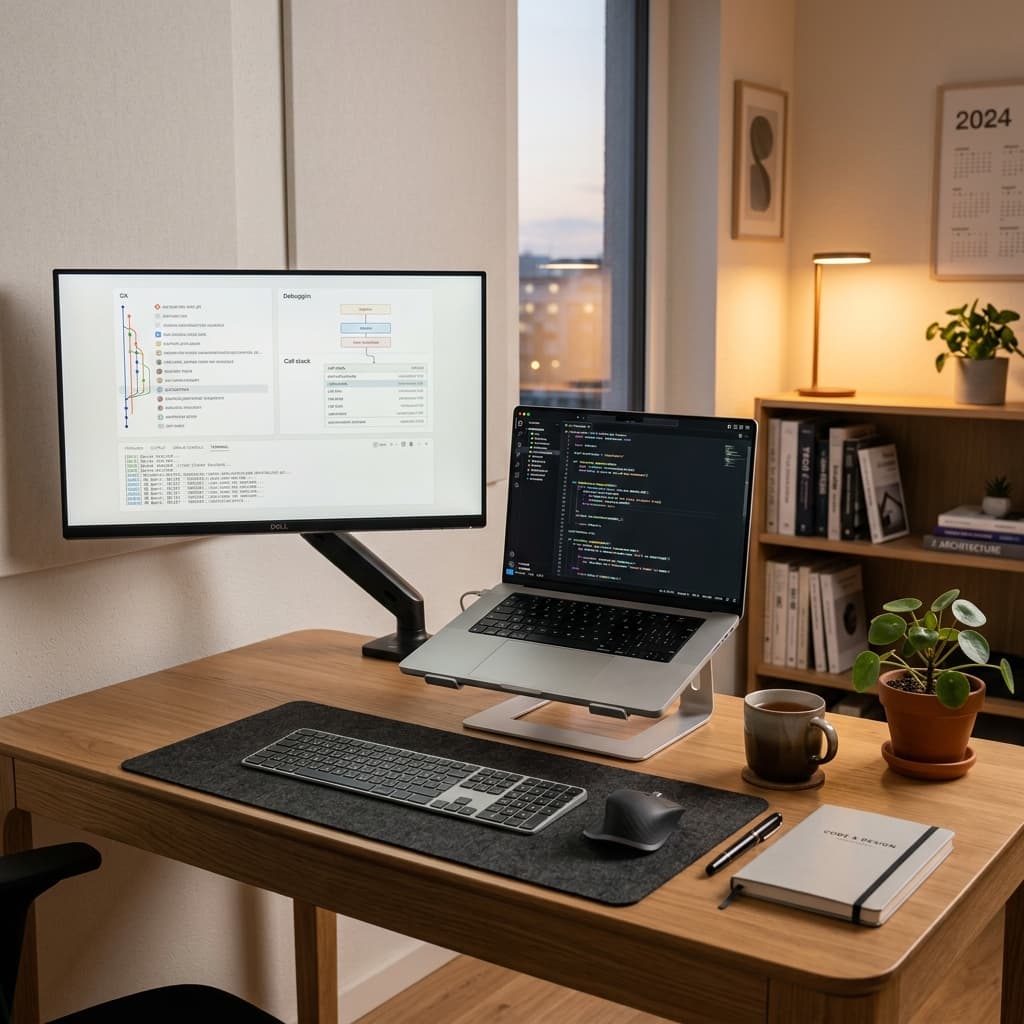
Errores en base de datos, mocks olvidados y APIs rotas al crear AttractiveWebAI y apps de Shopify. 8 principios prácticos para verificar código generado por IA sin perder el control.
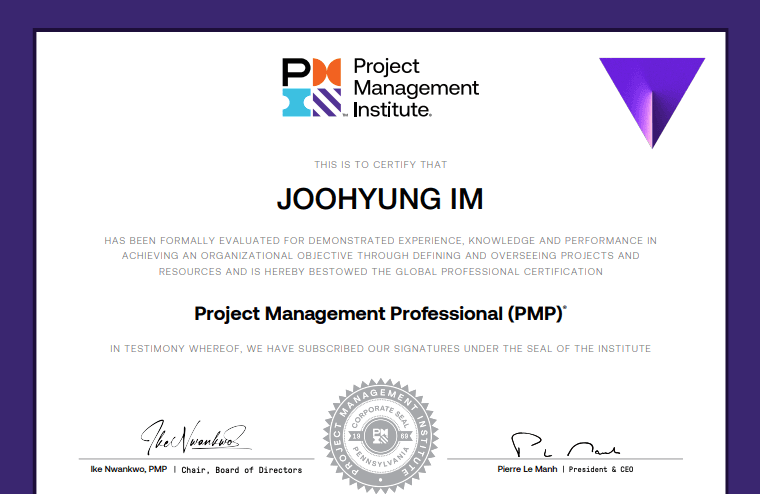
Comparto la experiencia real de tomar el examen PMP en el centro Pearson VUE, la gestión del tiempo para las primeras 60 preguntas, los descansos de 10 minutos, repasar el cuaderno de errores justo antes del examen y qué preparar.
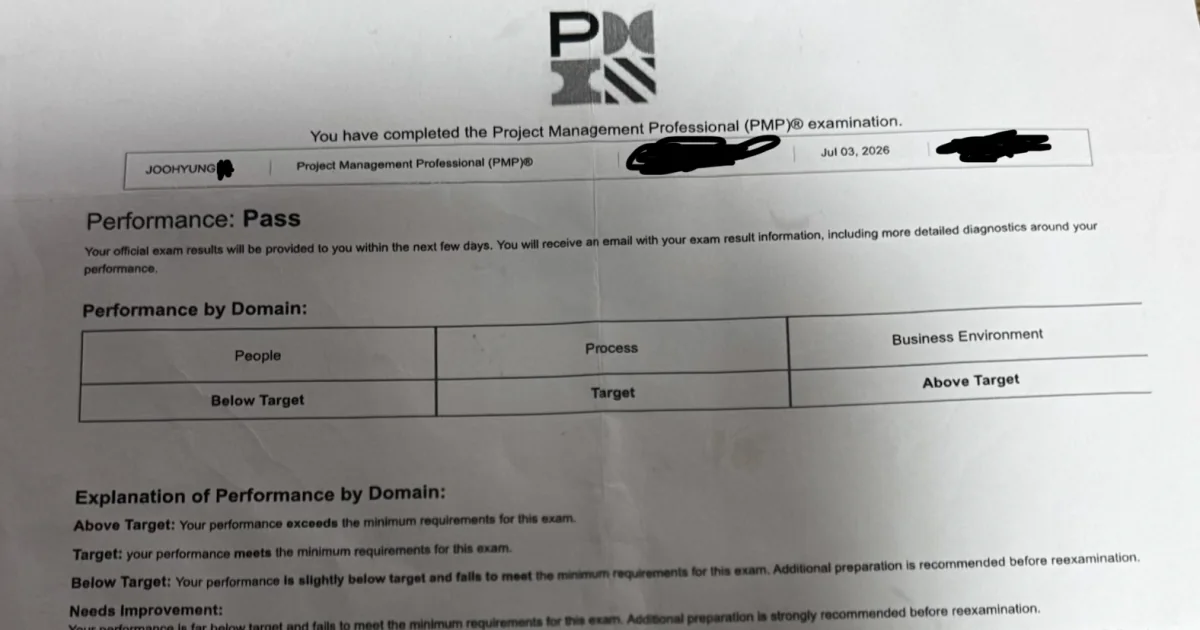
Un resumen del proceso de estudio de 7 semanas para aprobar el examen PMP el 3 de julio de 2026, utilizando clases en línea, PMI Study Hall, cuadernos de errores, GPT y NotebookLM.

Smarter autocomplete was only the beginning. The shift to autonomous terminal-based AI agents has changed how I build, debug, and ship software.

In the past, launching a software product took months of engineering. Here is how I designed, built, and shipped three digital products in weeks using AI.

Having spent months building real software with both, here is a detailed breakdown of terminal-native Claude Code versus IDE-native Cursor.

Product management is notorious for coordination overhead. By building lightweight AI automation pipelines, PMs can reclaim focus and build better products.

As models become more robust and developers transition to agentic workflows, the era of prompt hacking is ending. The future belongs to systems engineering.

In the fragmented landscape of LLM integrations, the Model Context Protocol (MCP) is emerging as the unifying open standard that links models to data sources and tools.